


A Guide to Treating Hyperpigmentation
Hyperpigmentation is one of the most common concerns related to uneven skin tone, but the underlying causes can vary significantly. When you understand what drives pigmentation, its treatment becomes clearer and more effective.
Different types of hyperpigmentation
Hyperpigmentation is one of the most common concerns in adult skin, and it can occur in all skin types. The most common forms of pigmentation are lentigines and melasma.
Melasma is often linked to hormonal changes. It typically appears as larger, uneven patches of darker skin, commonly on the cheeks, forehead, or upper lip area. It is frequently seen during pregnancy, with hormonal contraception, or during menopause. In some cases, melasma that develops during pregnancy may gradually fade on its own.
Chronic stress may also indirectly contribute to the development of melasma. Increased cortisol levels can influence inflammation in the skin and, in turn, affect the regulation of pigmentation.
Melasma is never caused by a single factor, but rather a combination of several. In addition to hormonal changes, UV exposure, genetic predisposition, low-grade inflammation, and overall skin stress all play a role.
Lentigines are smaller, more defined pigmented spots that appear on areas exposed to the sun. They are a typical sign of long-term UV damage.
Hyperpigmentation can also develop after skin injury. This is known as post-inflammatory hyperpigmentation and is commonly seen after acne, irritation, or inflammation.
Freckles are a genetic form of pigmentation linked to variants of the MC1R gene. They are not a sign of skin damage, but they respond strongly to UV exposure and tend to darken easily. You can read more about freckles and their genetic background here.
How is hyperpigmentation treated?
Treating hyperpigmentation requires consistency and patience.
The single most important factor is protecting the skin from UV radiation. Without daily sun protection, treating pigmentation is not effective in practice.
In skincare, active ingredients are used to target different stages of pigmentation:
– They can reduce melanin production
– Inhibit the activity of tyrosinase (a key enzyme in melanin formation)
– Slow down the transfer of melanosomes to the upper layers of the skin
– Support skin renewal and help break down existing pigment
Fading hyperpigmentation takes time. Visible changes are usually seen after 2–4 months when treatment is consistent and holistic.
Active ingredients that affect hyperpigmentation
Effective ingredients for treating pigmentation include:
- Licorice root (glabridin), which inhibits tyrosinase activity
- Mulberry, which inhibits tyrosinase, brightens the skin, and evens out tone
- Vitamin C, which interferes with melanin production and acts as an antioxidant
- Vitamin E, which supports the skin’s protective mechanisms
- Alpha hydroxy acids, which accelerate skin renewal and help even out pigmentation
Yin Your Skin products for hyperpigmentation
Yin Your Skin products support hyperpigmentation treatment:
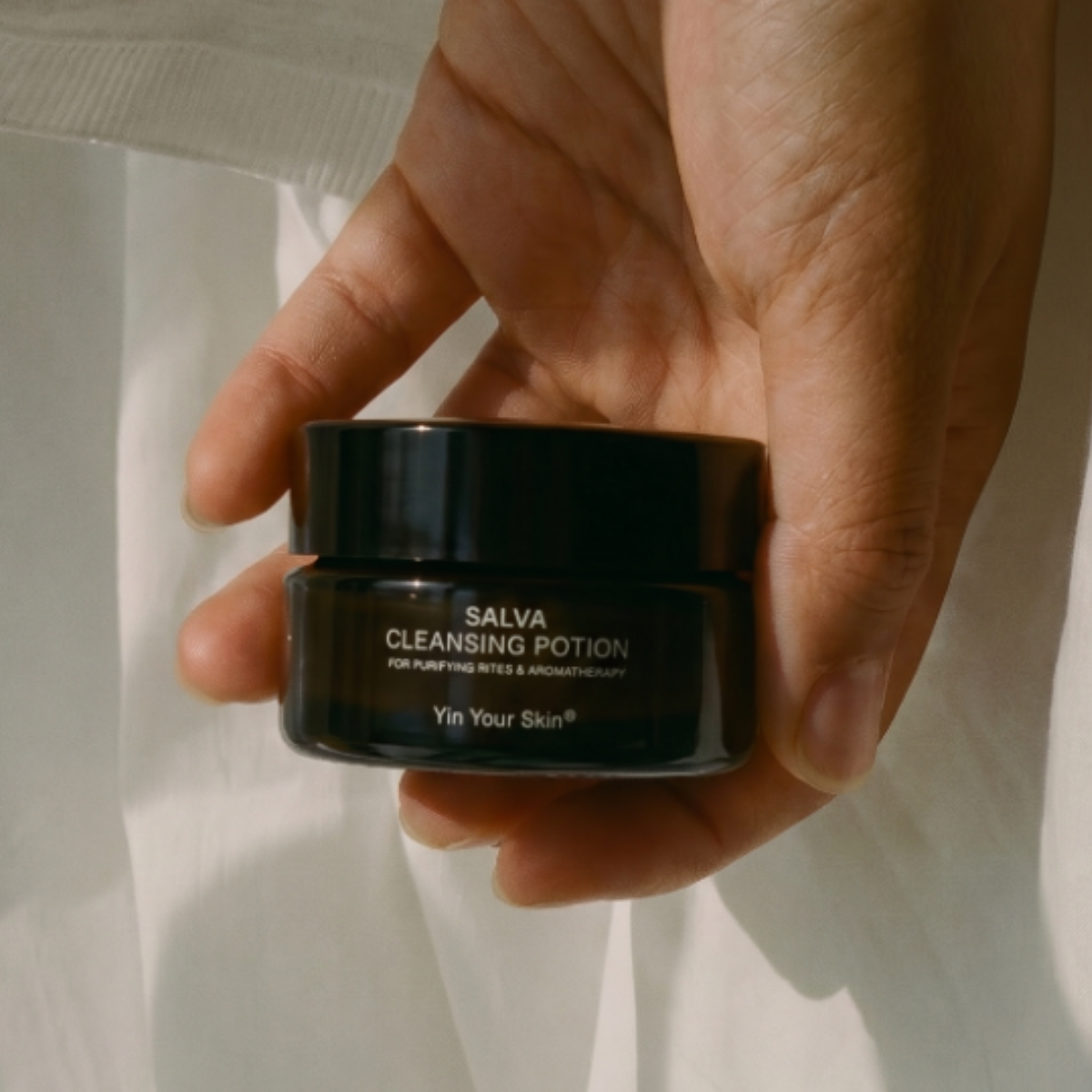
SALVA Cleansing Potion gently cleanses the skin without compromising the skin barrier, which is essential for managing inflammation and pigmentation.
SUMU Transformative Facial Mist supports hydration and soothes the skin, helping to reduce irritation that can sustain pigmentation.
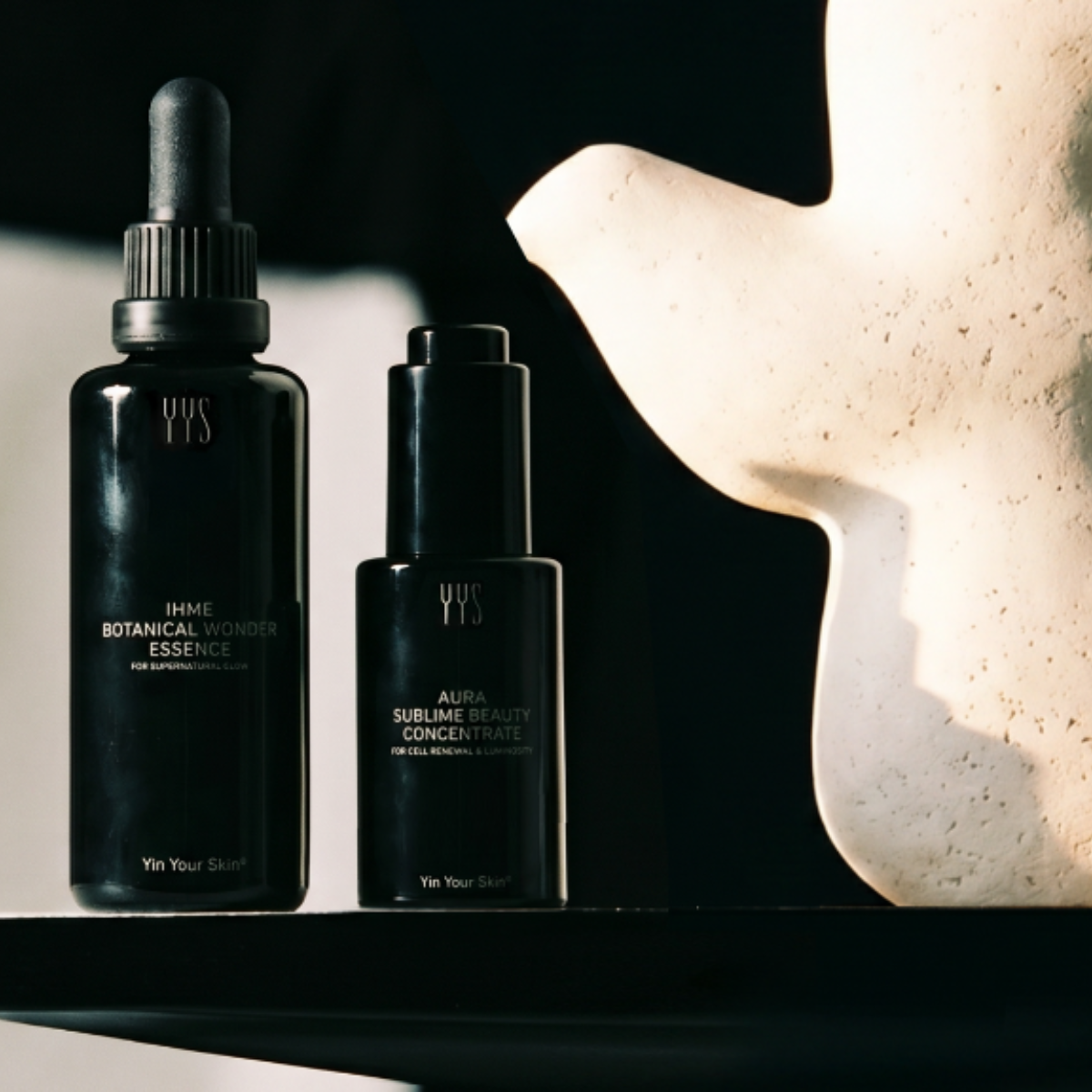
IHME Botanical Wonder Essence contains a low level of lactic and hibiscus flower acids that support skin renewal without overstimulation. It also includes white mulberry and peony to brighten and even out skin tone.
ELO Active Serum-Cream Complex combines multiple antioxidant-rich actives that support skin function and help reduce the effects of stress on the skin.
AURA Sublime Beauty Concentrate contains a blend of licorice root, marshmallow root, and rice bran to inhibit tyrosinase activity and brighten the complexion.
How to use the products
- Use the products morning and evening in the following order:
- Salva cleansing balm (morning and evening)
- Sumu facial mist (morning and evening)
- Ihme essence (evening)
- Elo serum-cream (morning and evening)
- Aura concentrate (morning and evening)
Why skincare alone is not always enough
Skincare products primarily affect the surface layers of the skin. However, hyperpigmentation is a process that also involves deeper structures.
For this reason, it is beneficial to support the skin’s metabolism, fluid circulation, and the removal of metabolic waste.
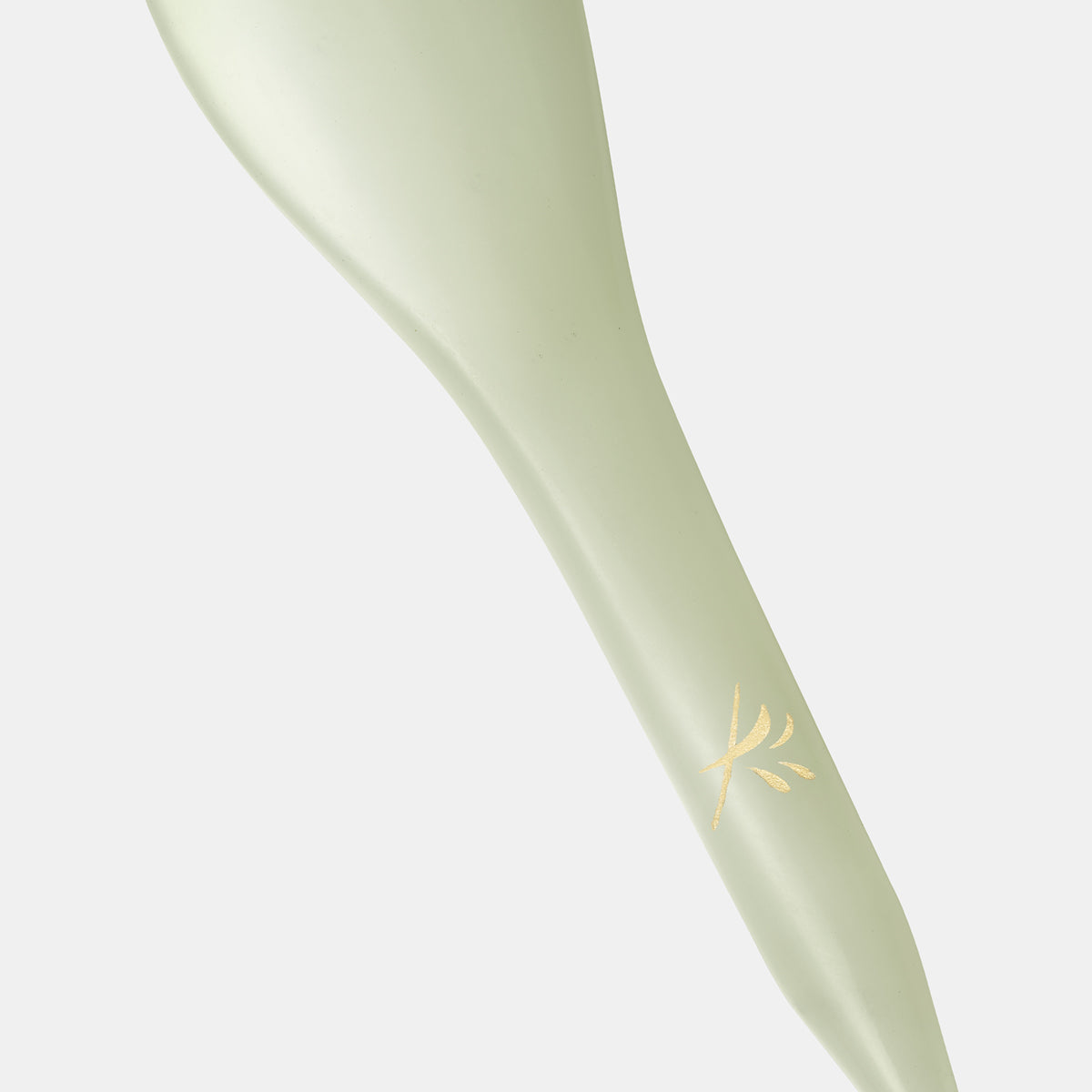
Facial gua sha is an effective tool for this. It helps improve microcirculation, supports lymphatic flow, and reduces local tissue congestion. This can also contribute to a more even skin tone.
At the beginning, facial gua sha can be practiced daily for 3–4 weeks. After that, about three times a week is sufficient for maintenance.
Technique, however, is essential. In the Yin Your Skin Signature Experience online course, you will learn the correct techniques to achieve the best possible results.